Heating cooling efficiency is about keeping your home comfortable while using as little energy as reasonably possible. In practice, that means reducing heat gain and heat loss, helping your equipment run under better conditions, and making smart choices about controls, airflow, insulation, and maintenance.
The good news is that the biggest improvements often come from basics: sealing air leaks, changing filters, cleaning key components, using thermostats well, and fixing rooms that are hard to heat or cool. Larger upgrades can help too, but only after the building itself stops wasting energy.
What heating cooling efficiency really means
Your heating and cooling system does not work alone. Comfort depends on three things working together:
- The building envelope: walls, roof, windows, doors, insulation, and air sealing.
- The equipment: furnace, boiler, heat pump, air conditioner, radiators, ducts, fans, pumps, and controls.
- How you use it: thermostat settings, zoning, shading, ventilation habits, and maintenance.
If one part is weak, the others must work harder. A high-efficiency unit installed in a drafty home can still waste energy. Likewise, a well-insulated home with blocked vents, dirty filters, or poor thermostat settings may still feel uncomfortable.
Efficient heating and cooling usually delivers four benefits:
- Lower energy use
- More stable indoor temperatures
- Less wear on equipment
- Better humidity control and comfort
Heating cooling efficiency starts with the building
Before replacing equipment, reduce the load on it. Every bit of unwanted heat entering in warm weather, or escaping in cool weather, forces your system to run longer.
Seal air leaks
Air leakage is one of the most common causes of wasted heating and cooling. Typical trouble spots include:
- Around windows and exterior doors
- Attic hatches and loft access panels
- Pipe and cable penetrations
- Recessed light fittings where permitted by local building rules
- Gaps around exhaust fans and vents
- Baseboards and floor edges in older homes
Use appropriate caulk, weatherstripping, or draft seals depending on the gap and surface. For larger openings, use products designed for air sealing rather than improvised fillers.
Safety: Keep sealants and insulation clear of heat sources, flues, and electrical components unless the product is specifically rated for that use. If in doubt, ask a qualified professional and follow local codes.
Improve insulation
Insulation slows heat movement. Priorities vary by climate and home type, but the most effective areas are often:
- Roof or attic spaces
- Exterior walls where practical
- Floors above unheated spaces
- Hot water pipes and storage tanks where appropriate
- Ducts running through very hot or very cold zones
Insulation levels are specified differently around the world, so check local guidance for suitable target values and moisture requirements. The right amount depends on climate, construction, and ventilation strategy.
Use windows wisely
Windows can either support comfort or undermine it. Helpful measures include:
- Closing curtains, blinds, or shutters during intense sun
- Opening coverings in winter sunshine where that improves passive solar gain
- Repairing failed seals, latches, and weatherstripping
- Adding secondary glazing or upgrading old glazing where worthwhile
External shading is often more effective than internal shading in hot climates because it blocks solar heat before it enters the room.
Reduce internal heat gains
In warm weather, your cooling system also has to remove heat created indoors. To reduce that burden:
- Use exhaust ventilation while cooking, if vented safely to the outside
- Run heat-producing appliances during cooler hours where practical
- Switch to efficient lighting
- Keep refrigerator coils clean and allow airflow around appliances
How to improve system performance without replacing it
Many homes can gain noticeable efficiency from maintenance and setup alone. Start here before planning major spending.
1. Check and replace or clean filters
Forced-air systems depend on clean filters for good airflow. A clogged filter can reduce efficiency, strain fans, and worsen comfort.
- Turn the system off.
- Locate the filter at the return grille, air handler, or furnace.
- Check the size and airflow direction marked on the frame.
- Replace or clean it according to the manufacturer’s instructions.
- Record the date and check it again after a month to learn how quickly it loads in your home.
Homes with pets, renovation dust, or high system use may need more frequent checks.
2. Keep vents, radiators, and indoor units clear
Furniture, curtains, rugs, and storage boxes can block airflow. Leave space around:
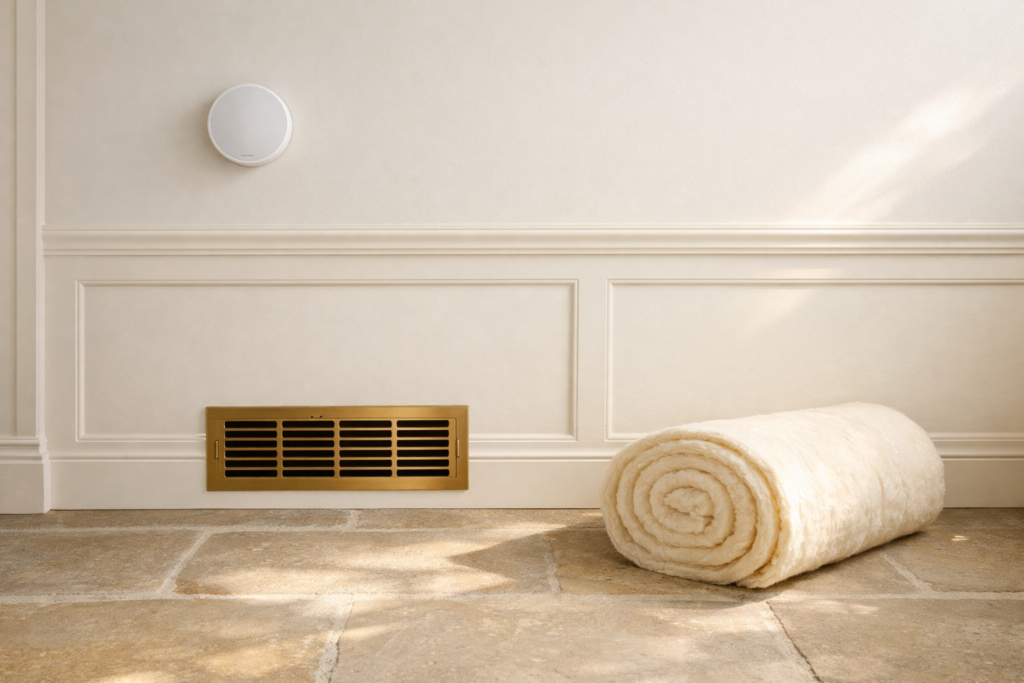
- Supply and return vents
- Radiators and convectors
- Ductless indoor units
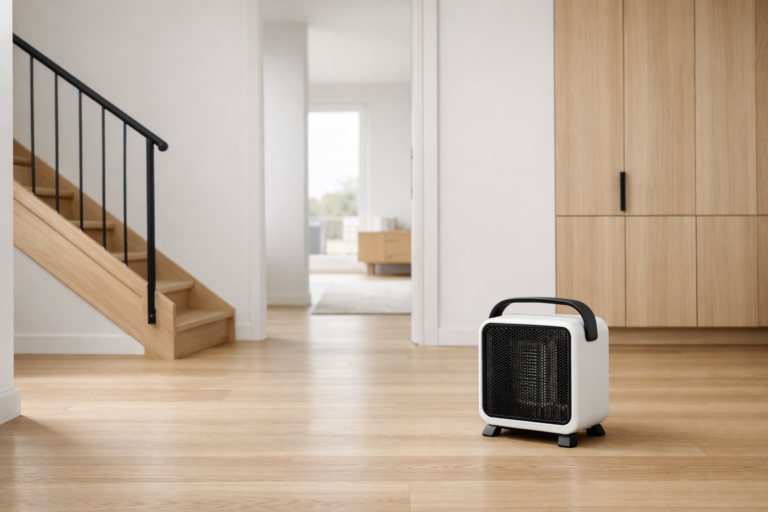
- Portable heater and cooler inlets and outlets
Do not close too many vents in an attempt to force air elsewhere. That can upset system balance and, in some systems, increase pressure and reduce efficiency.
3. Clean outdoor equipment
Outdoor condensers and heat pump units need airflow.
- Turn power off at the isolator if accessible and safe to do so.
- Remove leaves, dust, and debris from around the unit.
- Gently clear surface dirt from fins using a soft brush or manufacturer-approved method.
- Trim vegetation to maintain clear space around the unit.
Safety: Fins are sharp, and electrical equipment can remain hazardous even when switched off. Do not open electrical panels or wash components aggressively unless the manufacturer says it is safe.
4. Service boilers, furnaces, and burners
Combustion appliances need regular professional servicing for both efficiency and safety. A technician may inspect burners, heat exchangers, ignition, flues, pump operation, pressure, and controls.
Safety: If you smell gas, suspect combustion problems, or notice soot, unusual flame color, or headaches near operating equipment, stop using the appliance if safe to do so, leave the area, and seek qualified local help immediately.
5. Bleed radiators or balance hydronic systems if needed
In hot-water systems, trapped air or poor balancing can leave some rooms too cool while others overheat. Basic radiator bleeding may be suitable for some systems, but pressures and procedures vary.
Safety: Water can be hot. If you are unsure about pressure, refill procedures, or sealed systems, use a professional.
6. Inspect ductwork and pipe insulation
Leaky ducts can waste a surprising amount of conditioned air, especially in attics, crawlspaces, and plant rooms. Look for disconnected sections, damaged insulation, or obvious gaps at joints. Use sealing products intended for ducts, not ordinary cloth tape.
For hydronic systems, insulating accessible pipes in unconditioned areas can reduce heat loss and improve response.
Thermostats, controls, and zoning
Controls do not create efficiency on their own, but they can stop unnecessary running and improve timing.
Set realistic temperatures
Extreme thermostat settings do not heat or cool most homes faster. They simply tell the system to keep running until the setpoint is reached. Choose a sensible temperature and let the system work steadily.
The best setpoint depends on climate, humidity, clothing, occupancy, and system type. In general, small adjustments can make a meaningful difference over time.
Use schedules that match real life
A programmable or smart thermostat works best when schedules reflect your actual routine. Consider:
- Lower or higher setpoints when the home is empty, depending on season
- Gentler overnight settings for sleeping comfort
- Separate schedules for weekdays and weekends
- Holiday or away modes
If your home has high thermal mass or slow-reacting systems, large setbacks may not always perform as expected. Test gradual changes and monitor comfort.
Understand zoning
Zoning can improve comfort and reduce waste, especially in larger homes or homes with uneven sun exposure. Common forms include:
- Thermostatic radiator valves
- Multiple duct zones with dampers
- Ductless mini-split heads serving different rooms
- Separate systems for different floors
Zoning works best when each zone has proper airflow and suitable controls. Poorly designed zones can create noise, pressure problems, or temperature swings.
Use fans correctly
Ceiling fans and circulation fans do not lower room temperature, but they can make people feel cooler by increasing air movement. In heating season, some fans can also help destratify air in high-ceiling spaces when run on low speed in the correct direction for the fan design.
Turn fans off in empty rooms unless they are serving a specific ventilation purpose.
Humidity, ventilation, and comfort
Efficiency is not only about temperature. Humidity strongly affects comfort and perceived warmth or coolness.
Why humidity matters
High humidity can make moderate temperatures feel sticky and uncomfortable. Very low humidity can feel dry and irritating. Air conditioners and heat pumps often remove some moisture while cooling, but oversized equipment may cool too quickly and dehumidify poorly.
Ventilate with purpose
Fresh air is important, but random air leakage is not the same as controlled ventilation. Good practice includes:
- Using kitchen and bathroom exhaust when needed
- Checking that vents discharge safely and correctly
- Opening windows strategically when outdoor conditions help
- Using whole-home ventilation systems correctly where installed
In very hot, cold, humid, or polluted conditions, opening windows may work against efficiency or air quality. Local climate matters.
Watch for moisture problems
Condensation on windows, mold growth, musty smells, and damp spots can all point to ventilation or insulation issues. Solving these can improve both health and heating and cooling performance.
When an upgrade makes sense
At some point, repairs and tuning reach their limit. Replacement can be worthwhile if your equipment is unreliable, incorrectly sized, expensive to run, or unable to keep rooms comfortable.
Choose the right size
Bigger is not automatically better. Oversized systems can short-cycle, reduce comfort, increase wear, and in cooling mode often control humidity badly. Undersized systems may run constantly and still struggle.
Proper sizing should be based on a heat-loss and heat-gain assessment for the building, not rule-of-thumb guesses.
Consider system type
Suitable options vary by climate, fuel availability, building design, and local regulations. These may include:
- Air-source heat pumps
- Ground-source systems where viable
- High-efficiency boilers or furnaces
- Ductless mini-splits for targeted conditioning
- Improved distribution systems, such as better duct layouts or upgraded emitters
Ask about noise, defrost behavior in cold climates, humidity control, maintenance needs, and compatibility with your electrical supply or existing pipework.
Look beyond headline ratings
Efficiency ratings are useful, but real performance depends on installation quality, controls, climate, and the condition of the home. Ask installers to explain expected operation in your specific setting, including part-load performance and maintenance access.
Upgrade controls and distribution too
New equipment connected to poor ducts, bad balancing, or old controls will not perform at its best. If you replace the main unit, consider the system around it as part of the project.
Room-by-room fixes for common comfort problems
One room is always too hot or too cold
- Check for blocked vents or closed dampers
- Inspect window seals and shading
- Look for missing insulation above or beside the room
- Make sure doors are not disrupting return airflow
- Consider local zoning or a ductless unit if the problem is persistent
Upper floors overheat
- Reduce solar gain with external shading where possible
- Improve roof or attic insulation
- Seal attic bypasses and ceiling leaks
- Use night ventilation only when outdoor air is actually cooler and drier enough to help
- Check whether system balancing needs adjustment
The system runs constantly
- Check filters first
- Compare thermostat settings with outdoor conditions
- Look for open windows, major leaks, or control issues
- Inspect outdoor units for dirt or restricted airflow
- Arrange professional service if performance has changed suddenly
Rooms feel stuffy even when temperature is fine
- Review ventilation and humidity
- Clean filters and ensure return airflow is not blocked
- Use extract fans during cooking and bathing
- Check for overcrowded furniture around vents and units
A practical heating cooling efficiency checklist
Use this as a simple order of attack.
- Observe: Note rooms that are uncomfortable, noisy, drafty, or humid.
- Check controls: Make sure thermostat schedules and setpoints match your routine.
- Restore airflow: Replace filters, clear vents, and move obstructions.
- Clean key components: Tidy outdoor units and visible indoor grilles.
- Seal obvious leaks: Doors, windows, hatches, and penetrations.
- Improve shading and insulation: Especially roof spaces and sun-exposed rooms.
- Inspect distribution: Duct leaks, pipe insulation, radiator balancing.
- Service equipment: Especially combustion appliances and systems with poor performance.
- Review replacement only after the above: Size and select new equipment based on the improved home, not the old wasteful condition.
Maintenance schedule to keep efficiency on track
Monthly or every 1 to 3 months
- Check air filters
- Make sure vents and returns are unobstructed
- Look for unusual noises, smells, or short cycling
Seasonally
- Clean around outdoor units
- Test thermostat schedules
- Check weatherstripping and shading
- Inspect condensate drains where applicable
Annually
- Arrange professional servicing for boilers, furnaces, heat pumps, and air conditioning as appropriate
- Inspect accessible ducts, insulation, and pipework
- Review energy use patterns and comfort issues from the last season
Frequently asked questions
What is the fastest way to improve heating cooling efficiency?
Start with filter changes, airflow checks, thermostat schedules, and sealing obvious drafts. These are usually the quickest and lowest-cost improvements.
Is it worth replacing an old thermostat?
Often, yes, if your current control is inaccurate, hard to program, or does not support scheduling. A better thermostat helps avoid unnecessary run time, but it will not fix insulation, airflow, or sizing problems.
Do closed vents save energy?
Usually not in a simple, reliable way. In many forced-air systems, closing too many vents can reduce performance and increase pressure. Use proper zoning if you need room-by-room control.
How do I know if my system is oversized?
Signs can include short cycles, uneven temperatures, poor humidity control in cooling mode, and frequent on-off operation. A professional load calculation is the best way to confirm it.
Should I upgrade equipment or insulate first?
In many homes, improving air sealing and insulation first makes sense because it reduces the heating and cooling load. That can improve comfort immediately and may allow a smaller, better-matched replacement system later.
Conclusion
The most effective approach to heating and cooling efficiency is to treat your home as a system. Tighten the building envelope, protect airflow, maintain equipment, use controls sensibly, and only then consider major upgrades. Do the basics well, and you will usually get better comfort, lower waste, and a system that works less hard all year.