If you are wondering what uses most electricity at home, the short answer is this: anything that makes heat, moves air or water, or runs for long hours is usually the biggest energy user. In most homes, space heating or air conditioning, water heating, clothes drying, cooking, refrigeration, and always-on devices account for the largest share of electricity use.
The exact order varies by climate, home size, insulation, appliance efficiency, and whether your home uses electricity, gas, or another fuel for heating and hot water. In many U.S. households, air conditioning, space heating, and water heating are all major loads, but rankings differ by climate and fuel type. Still, the basic pattern is reliable: large appliances with heating elements or motors matter far more than phone chargers and small gadgets. Knowing where your electricity goes makes it easier to lower usage without making your home less comfortable.
What uses most electricity in a home?
These are usually the biggest electricity users in a typical household:
- Space heating in electrically heated homes
- Air conditioning and cooling systems
- Water heating
- Clothes dryers
- Electric ovens, cooktops, and kettles
- Refrigerators and freezers
- Dishwashers and washing machines, especially on hot cycles
- Pumps and pool equipment, where fitted
- Lighting, especially older bulbs or long daily use
- Electronics left on or in standby
A useful rule of thumb is to think about two things: power and time. A high-power appliance used briefly, like a kettle, can still use less electricity overall than a lower-power appliance that runs all day, like an older fridge or a circulation pump.
Why heating and cooling usually come first
Heating and cooling often dominate because changing the temperature of air or water takes a lot of energy. If your home relies on electric resistance heaters, underfloor electric heating, portable heaters, or electric air conditioning, these systems can quickly become the largest loads in the house.
Space heating
Electric heaters turn electricity directly into heat. They are effective at warming a room, but they can use a lot of power while operating. The total impact depends on:
- Outdoor climate and season length
- Insulation and air leakage
- Thermostat settings
- Window quality and shading
- How many rooms you heat
Heat pumps are often much more efficient than simple resistance heaters because they move heat rather than create it directly. Performance varies by model and climate, so check local product guidance and installation standards.
Air conditioning
Air conditioners and heat pumps in cooling mode also use significant electricity, especially in hot, humid regions or in homes with poor insulation. The compressor, fans, and long operating hours all add up. Dirty filters and blocked outdoor units can make the system work harder than necessary.
Safety note: never open sealed refrigeration circuits or attempt electrical repairs inside HVAC equipment unless you are qualified. Turn off power before changing accessible filters or cleaning around units, and follow local electrical safety rules.
Water heating: a major hidden load
Water heating is easy to overlook because it works in the background, but it is often one of the top answers to what uses most electricity in everyday life. Showers, baths, laundry, and dishwashing all depend on it.
Electric storage water heaters can consume a lot because they repeatedly reheat stored water. Instant electric water heaters may avoid standby losses, but they can draw very high power when running. Heat pump water heaters can reduce electricity use in the right conditions, though suitability depends on climate, installation space, and local access to products and service support.
What affects hot water electricity use?
- Tank size and insulation
- Water temperature setting
- Length and frequency of showers
- Hot wash cycles for laundry
- Dishwashing habits
- Pipe length and heat loss
Safety note: be careful when adjusting water heater temperatures. For most residential systems, set the water heater to 120°F (49°C) to reduce scald risk, or use anti-scald mixing valves where needed. Water that is too cool can create hygiene concerns in some systems, and some setups use higher storage temperatures for Legionella control with mixing valves to reduce scald risk. If you are unsure, follow the manufacturer instructions or ask a qualified technician.
Appliances that heat up are often expensive to run
Any appliance with a heating element can use a lot of electricity while it is on. The key difference is how long you use it.
Clothes dryers
Electric tumble dryers are usually among the biggest appliance loads because they combine heat, airflow, and long cycle times. Drying heavy fabrics like towels or bedding takes even more energy.
To reduce dryer use:
- Spin clothes thoroughly in the washer first
- Dry full but not overloaded loads
- Clean the lint filter every cycle
- Use sensor drying if available
- Air-dry when practical
Safety note: lint is a fire risk. Keep filters and vents clean, and do not run dryers if airflow is restricted.
Ovens, cooktops, and kettles
Electric ovens and cooktops draw substantial power, but their total use depends on cooking habits. Long oven sessions, batch cooking, and frequent preheating all affect consumption. Kettles use high power too, but usually for a short time, so the total is often lower than people expect.
Induction cooktops can be more efficient than some other electric cooking methods because they transfer energy directly to compatible cookware. Product performance differs, so compare specifications if you are shopping.
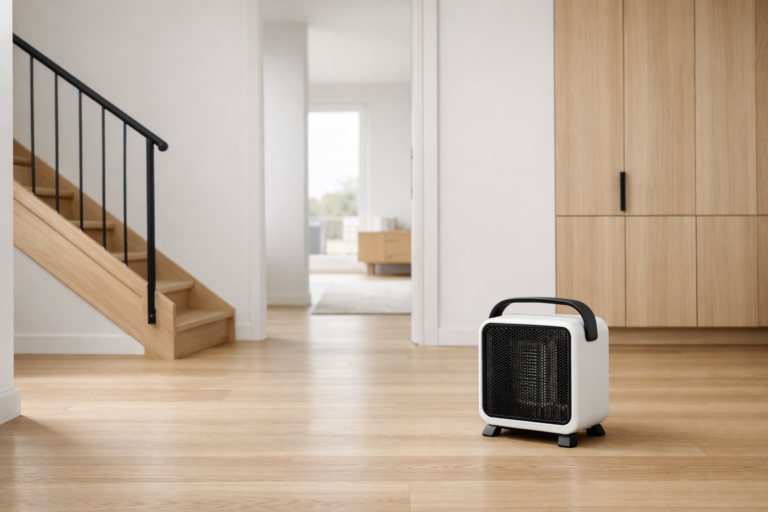
Irons, space heaters, and hair tools
These are all high-power devices. A small portable heater can use more electricity in an hour than many common household electronics use in a day, depending on the devices involved. That is why reducing heater runtime often matters more than worrying about chargers.
Safety note: keep heaters away from curtains, bedding, and furniture. Do not use damaged cords, and avoid overloading outlets, extension cords, or power strips with space heaters. High-draw heaters should be plugged directly into a suitable outlet unless the manufacturer specifically says otherwise.
Appliances that run for long periods
Some devices are not especially powerful at any one moment, but they operate for many hours a day. That steady use can make them major contributors over time.
Refrigerators and freezers
Fridges and freezers cycle on and off all day, every day. Older, poorly maintained, or badly placed units can use more electricity than necessary.
Common causes of higher use include:
- Worn door seals
- Dusty condenser coils, where accessible
- Hot room placement
- Frequent door opening
- Very low temperature settings
Chest freezers and second refrigerators in garages, basements, or utility spaces can quietly add a noticeable amount to electricity use, especially if the space is very hot.
Circulation pumps, dehumidifiers, and ventilation
Homes with sump pumps, well pumps, hot water recirculation pumps, dehumidifiers, mechanical ventilation, or pool pumps may see these systems rank surprisingly high. They may not look dramatic, but long daily run times add up quickly.
Safety note: because pumps and dehumidifiers often operate near water, switch off power before cleaning or maintenance, and follow the manufacturer instructions carefully.
Lighting and electronics: smaller individually, bigger together
Lighting used to be a major electricity load in many homes. With LED bulbs, it is often much less significant than heating or water heating, but lighting can still matter if many bulbs are used for long hours.
Electronics such as televisions, game consoles, computers, monitors, routers, speakers, and set-top boxes usually use less electricity than major appliances, but they can still waste energy when left on continuously.
Standby power
Standby power is the electricity used by devices when they seem off but remain ready to start quickly, show a clock, stay connected to a network, or power a remote sensor. One device may use very little, but many devices together can create a constant background load.
Good places to check include:
- TV and audio systems
- Desktop computers and monitors
- Printers
- Microwaves with clocks
- Chargers left plugged in
- Smart home hubs and networking gear
Do not switch off devices that need continuous power for safety, updates, or correct operation, such as some internet equipment, alarms, medical devices, or connected appliances. Check manufacturer guidance first.
How to figure out your own biggest electricity users
Every home is different, so the best way to move from guesswork to action is to measure or compare. You do not need advanced equipment to get useful answers.
1. Check your utility data
Look at monthly or daily electricity use if your supplier provides it. Compare summer and winter patterns. A strong seasonal swing often points to heating or cooling.
2. List your large appliances
Write down everything that heats, cools, pumps, or runs for long periods:
- Heating and cooling systems
- Water heater
- Dryer
- Oven and cooktop
- Fridge and freezer
- Dishwasher and washer
- Pool or well pump
- Dehumidifier
3. Read the rating label
Many appliances show their power rating in watts or kilowatts. Higher numbers usually mean higher electricity use while operating. Remember that runtime matters just as much as power.
4. Use a plug-in energy monitor
For compatible plug-in appliances, an energy monitor can show how much electricity a device uses over time. This is useful for refrigerators, dehumidifiers, entertainment systems, and office equipment. It is not suitable for all high-power or hardwired appliances, so always check the monitor rating and local voltage compatibility.
Safety note: never connect a monitor or extension device to an appliance if the load exceeds its rating. High-power appliances may need a dedicated outlet.
5. Test one change at a time
Try a simple adjustment for a week, such as raising the cooling setpoint slightly, shortening dryer cycles, or switching off a second fridge. Then compare your usage if your meter or app allows it.
Best ways to cut electricity use where it matters most
The fastest savings usually come from reducing heavy loads, not obsessing over tiny ones.
Heating and cooling
- Set thermostats sensibly and avoid extreme settings
- Seal drafts around doors and windows
- Improve insulation where practical
- Clean or replace filters
- Use fans to improve comfort in warm weather
- Close blinds or curtains against strong sun
Hot water
- Take shorter showers
- Fix dripping hot taps
- Wash clothes in cooler water when suitable
- Insulate accessible hot water pipes where appropriate
- Run dishwashers full rather than half loads
Laundry and kitchen
- Air-dry clothes when possible
- Use dryer sensor settings
- Cook with lids on pans
- Match pan size to the burner
- Boil only the water you need
- Use smaller appliances for small jobs when safe and practical
Refrigeration and always-on loads
- Check door seals
- Keep vents clear
- Do not place fridges next to heat sources
- Switch off unused second fridges or freezers
- Use power-saving settings on electronics
- Group entertainment devices on a switched power strip if appropriate
Common mistakes when judging electricity use
People often focus on the wrong things. These are the most common misunderstandings:
- Overestimating chargers: phone chargers are usually minor compared with heaters, dryers, and water heating.
- Ignoring runtime: a modest appliance running all day can beat a powerful appliance used for minutes.
- Forgetting maintenance: dirty filters, clogged vents, and bad seals waste energy.
- Missing hidden systems: pumps, dehumidifiers, and heated floors can be significant.
- Assuming all homes are the same: climate, fuel type, and appliance age change everything.
Frequently asked questions
What appliance uses the most electricity at home?
In many homes, the biggest electricity user is space heating or air conditioning. Where heating uses another fuel, water heating or clothes drying may be among the top electrical loads.
Does leaving things plugged in waste much electricity?
Some devices use standby power when not actively in use. The amount per device is often small, but several always-on electronics together can create a noticeable background load over time.
Do ovens use more electricity than microwaves?
Usually yes, especially for longer cooking. Microwaves often use less total electricity for reheating and short cooking tasks because they cook faster and heat a smaller space, although some foods and cooking jobs are better suited to other appliances.
What costs more: air conditioning or a refrigerator?
Air conditioning usually uses much more electricity overall because it has a larger cooling job and often runs harder in hot weather. Refrigerators run all the time, but at much lower power.
How can I find out exactly what my home uses?
Start with your utility usage data, then check appliance ratings and use a suitable plug-in energy monitor for compatible devices. For hardwired systems such as HVAC or water heaters, a qualified electrician or energy assessor may be able to help.
In most homes, the biggest electricity users are not the smallest gadgets but the systems that heat, cool, dry, pump, and run for long periods. If you focus first on heating and cooling, hot water, laundry, refrigeration, and always-on equipment, you will usually find the clearest opportunities to cut electricity use safely and sensibly.
Conclusion: If you want to answer what uses most electricity in your own home, start with the biggest heat-producing and long-running systems. Those are usually where the most meaningful savings are hiding.